


Welcome to another edition of ‘Last Week in Earth Observation’, containing a summary of major developments in EO from last week and some exclusive analysis and insights from TerraWatch.
In this edition: Space for climate, satellite data as a proxy for economic growth and the thematic tracks of EO Summit.
Four Curated Things
Major developments in EO from the past week
1. Contractual Stuff: Funding, Contracts and Deals 💰
Funding
- Luxembourg-based weather startup Databourg, which uses satellite signals from tens of thousands of existing satellite terminals to monitor real-time weather, has raised a seed round of $1M;
Contracts
- The UK Space Agency announced funding for a couple of dozen space-related R&D projects, including a couple for EO research for flood modelling with data from the SWOT mission and a UAV-mountable LiDAR instrument;
- Planetek Hellas, a Greek EO solutions company signed a new contract with ESA to support the Interpol's counterterrorism unit using satellite imagery;
2. Strategic Stuff: Partnerships and Announcements 📈
Partnerships
- Carbon rating agency BeZero Carbon is partnering with Planet to leverage its newly released Forest Carbon Diligence product;
- German EO startup Marble Imaging and Polish firm Scanway Space are partnering to develop a satellite constellation with multispectral sensors;
- The Indian space agency ISRO has signed an MoU with the Mauritius research agency to build and operate an EO satellite for the country;
Announcements
- The UK Space Agency announced its intention to contribute to the Atlantic Constellation, from Spain & Portugal, with more than £3M in funding;
- ESA announced that Spire is joining its Earthnet Third Party Mission programme as a radio frequency monitoring data supplier;
- Satellogic announced that it has been awarded a remote sensing license from NOAA, allowing the company to operate its satellites from the US;
- World View, the stratospheric balloon-based EO (and space tourism) company, has ended its plans to go public through a SPAC merger.
3. Interesting Stuff: More News 🗞️
The UN Climate Change Technology Executive Committee has teamed up with the Group on Earth Observation, under the Early Warnings for All initiative, to assist vulnerable countries in using EO for the design of climate policies and adaptation projects.
The European Central Bank will impose financial penalties on banks that take too long to address climate change risks in their business;
What does EO have to do with climate risk? Read this subscriber-only, exclusive deep-dive on EO for climate risk from TerraWatch;
The European Union will place methane emissions limits on Europe's oil and gas imports from 2030;
What is the state of EO for emissions monitoring? Read this subscriber-only, exclusive deep-dive on EO for GHG emissions from TerraWatch.
As the military weather satellites of the US near the end of life, the DoD is turning to weather agency partners globally to fill the data gaps;
Want to understand the landscape of weather monitoring from space? Then, check out this free-to-access, deep-dive from TerraWatch.
ESA’s CryoSat, which is focused on measuring the thickness of polar sea ice and monitoring changes in the ice sheets, is now using its backup propulsion system, potentially extending the mission beyond 2025;
4. Click-Worthy Stuff: Check These Out 🔗
- The draft of the "US National Plan for Civil Earth Observations” released by the US government aimed at making EO mainstream within the country;
- This piece that discusses why it is important to weigh, not count trees with EO, for an accurate assessment of their carbon impact;
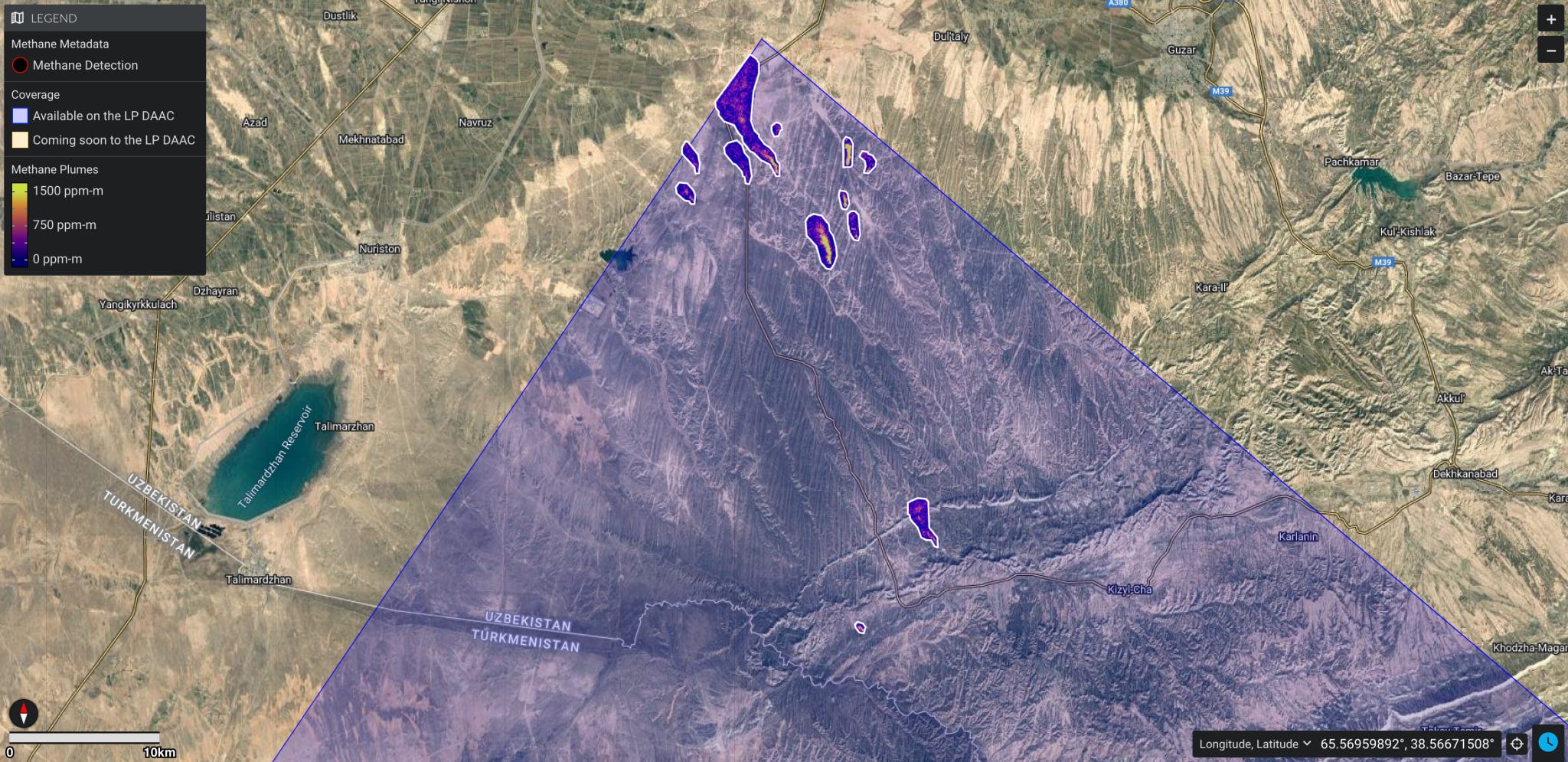
- This article on the EMIT imaging spectrometer aboard the International Space Station, which was actually launched to detect surface minerals, but has ended up becoming an excellent instrument for identifying emissions.
Please consider upgrading your subscription to TerraWatch, if you find this valuable.
One EO Discussion Point
Exclusive analysis and insights from TerraWatch
5. Space for Climate - The Need for Focus on Action
As we await the kick-off of COP28 in just a couple of days, I thought it would be worth repeating a message that I have always emphasised.
Irrespective of what the satellites can see, it is all about what we do with it. As much as I demystify the role of EO, I recognise the concept of the "knowledge-action gap." If the knowledge gathered from EO has not resulted in meaningful action, then the value of EO is not fully realised.
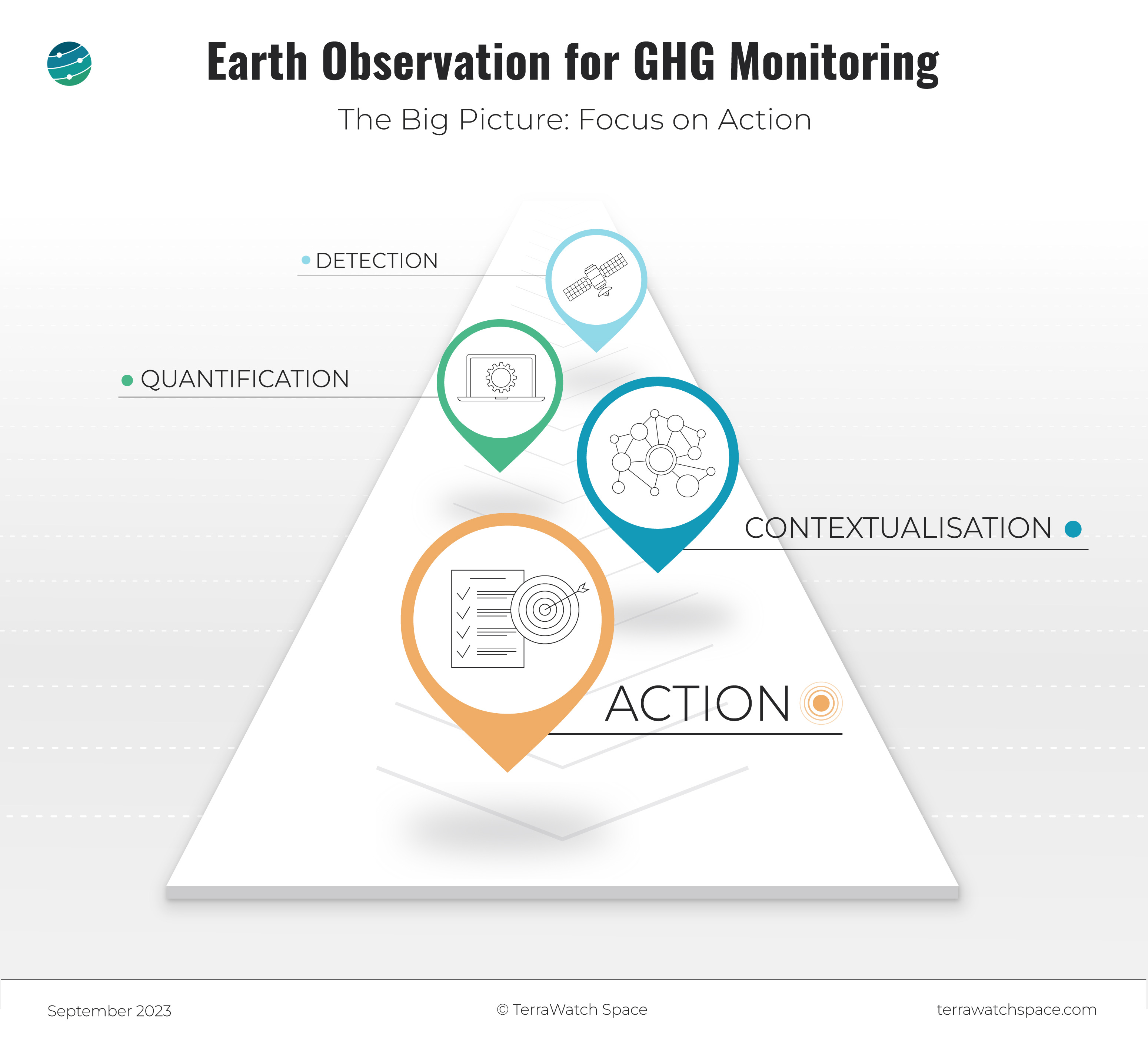
Recently, I published a subscriber-only, exclusive deep dive on the state of GHG monitoring from space, containing an overview of the current and planned EO satellites to monitor GHGs and why all of this matters. As you can read in the essay, there are four fundamental steps involved in the EO-based GHG monitoring process: detection of GHG emissions from satellites, quantification of the GHG emissions, contextualisation of the emissions and taking action by reporting emissions, mitigating them or use them for meaningful trading.
As the image represents, action should be at the forefront of our discussion, more so than the satellites we use for detecting GHGs and the algorithms we use for quantifying and contextualising GHGs.
And, as we dig deeper into how EO can support each of those steps, it is crucial to remember that until the data gathered from satellites is used to drive change, on an enterprise level and on a national/global policy level, the work is not done and we cannot really afford to celebrate our accomplishments - whether it is the launch of a satellite, a release of a product or the participation in an event.
Scene from Space
One visual leveraging EO
6. Satellite Data as a Proxy for Economic Growth
Last week, I came across this interesting thread on Twitter, from Yohan Iddawela, on why we will not be able to use satellite nightlight data as a proxy for economic growth. But, to understand the importance of this, you may need to know how satellite-based nightlight data has been used to derive insights on economic growth, and the results it has given us.
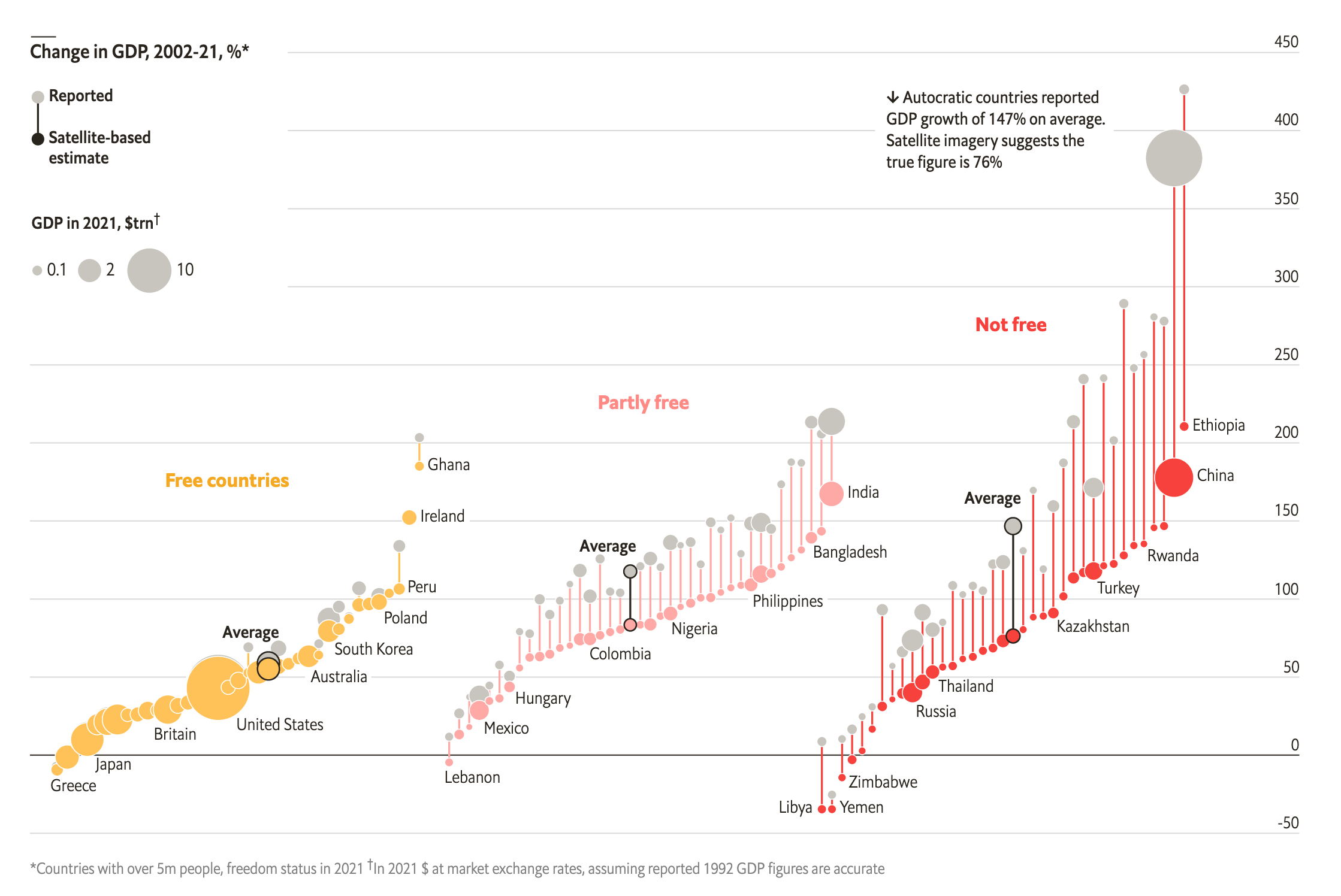
The image below, sourced from the Economist shows how autocratic countries reported more economic growth than actually the case, based on an analysis of the nightlight data from these countries.
However, as Yohan indicates, using luminosity as a proxy for GDP will become increasingly problematic as more cities introduce LED lighting - so, we need satellites with wider spectral bands — to capture the light emissions from LEDs. Hopefully, the EO companies are listening!
PS. Thematic Tracks in EO Summit
Over the past couple of weeks, I have been releasing teasers for the first-ever edition of EO Summit, a conference to bring the EO industry and end-users together, focused on enterprise and climate-related applications of EO.
EO Summit | 13-14 June 2024 | London
More information, including the official website and how to purchase early-bird tickets, will be released in about a week.
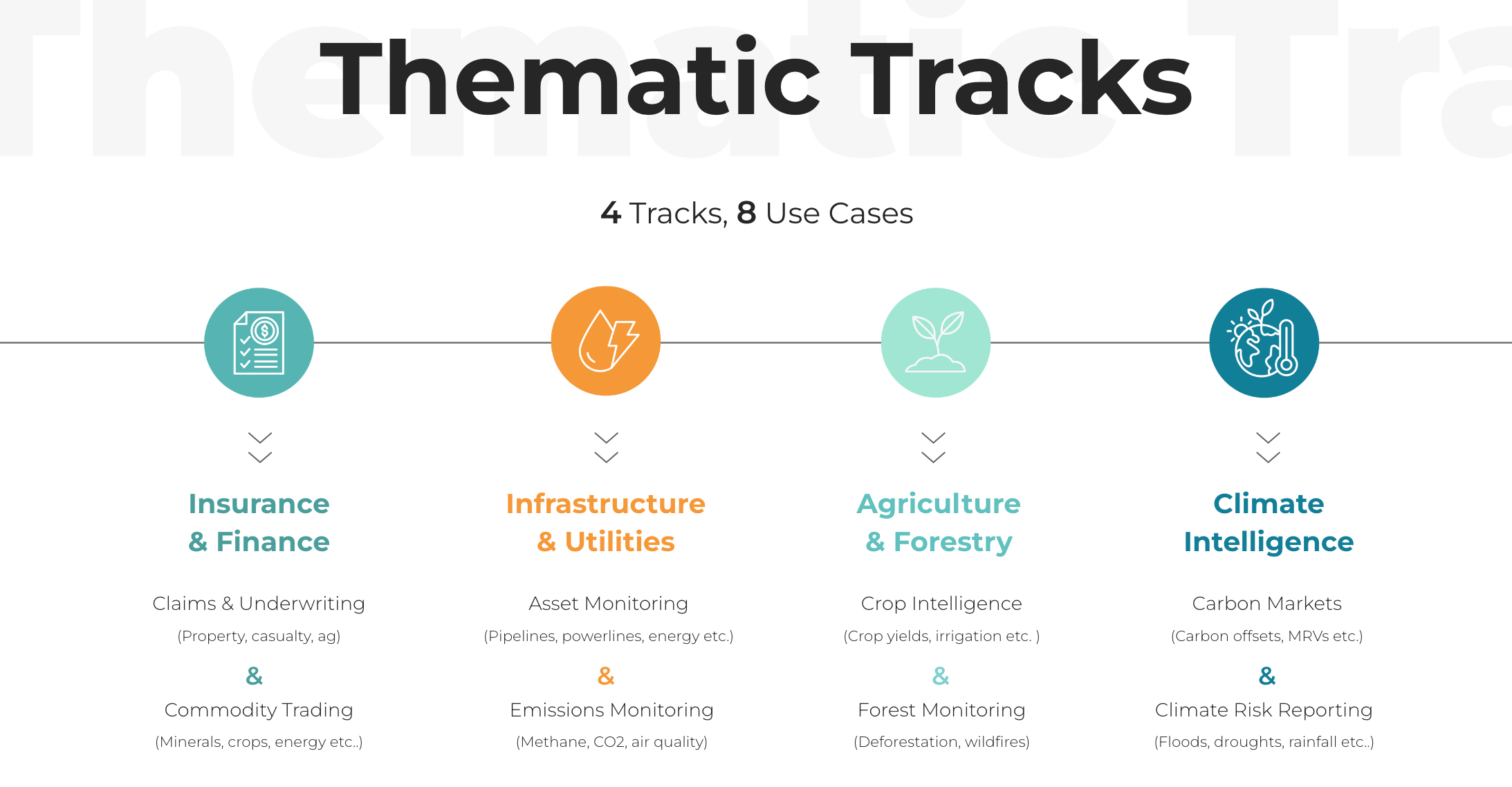
In the meantime, here is the list of thematic tracks that will be highlighted as part of the event. EO Summit will be an application-focused conference that prioritises discussing the use cases of EO, rather than simply the technologies.
- Are you an EO company interested in showcasing your solution?
- Are you an end-user interested in discussing your EO needs and challenges?
Send me a note to discuss sponsorships and speaking opportunities!
Until next time,
Aravind


